Rediscovering Vintage Seed Catalog # 104 for Modern Design
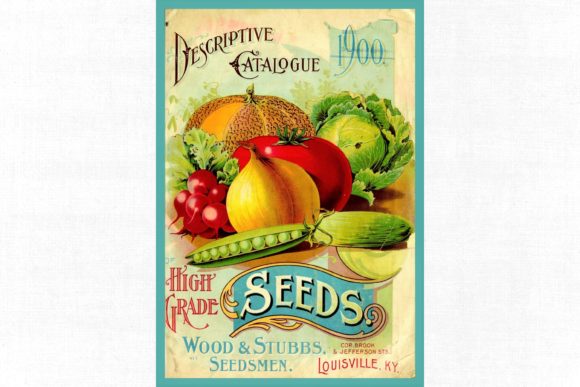
There is a specific kind of charm found in old agricultural print—something that digital design often tries to replicate but rarely captures authentically. When you look at the remix cover page of this vintage flower bulbs and seeds collection, you aren't just seeing a high-resolution scan; you are holding a piece of history. The file provided, a substantial 1525 x 2200 JPG at 300 dpi, offers a window into an era where typography and illustration were inseparable. This asset is not merely a picture of a font; it is a complete visual narrative.
For designers, entrepreneurs, and content creators, the distinction between a standard stock image and a curated piece like this lies in the texture. The ink bleeds, the paper grain, and the specific kerning of the 19th-century letterforms create a tactile experience on a digital screen. It possesses a warmth that modern, vectorized "vintage" styles often miss. Whether you are working on a scrapbooking project or building a brand identity for a craft brewery, the visual weight of this catalog cover provides an instant anchor. It suggests authenticity, heritage, and a connection to the natural world that is difficult to manufacture from scratch.
Visual Personality and The "Remix" Aesthetic
The term "remix" implies a careful curation of the best elements. This particular asset focuses on the intersection of botanical illustration and bold, serif typography. The style is reminiscent of the late Victorian and early Edwardian eras, a period known for its intricate borders and sturdy, trustworthy typefaces. You will likely notice the high contrast in the lettering—thick strokes meeting thin hairlines—which creates a rhythmic visual hierarchy that guides the eye naturally from the headlines to the imagery.
What makes this style so enduring is its versatility in evoking mood. It feels educational yet artistic. The personality of the design is grounded and organic, yet it carries an air of sophistication because of the quality of the engraving style lines. It avoids the kitsch factor that plagues many retro assets. Instead, it reads as a legitimate piece of publishing history, making it a powerful tool for anyone looking to inject "heritage" into a modern project without looking like they are wearing a costume.
Strategic Applications for Branding and Marketing
When we talk about utilizing Vintage Seed Catalog # 104 in a professional capacity, we have to move beyond simple decoration. A design asset of this quality can fundamentally influence how an audience perceives a brand's credibility. In an age of sleek, minimalist digital interfaces, this type of imagery cuts through the noise. It offers a psychological shortcut to trust.
For packaging design, particularly in the food, beverage, or artisanal goods sectors, this aesthetic is gold. Imagine this imagery adapted for a coffee bag or a small-batch jam label. It communicates "small batch" and "hand-crafted" without needing a single word of copy. Similarly, in editorial design, using elements from this catalog as spot illustrations or pull-quote backgrounds can break up the monotony of modern grid layouts, adding a layer of visual interest that keeps readers engaged.
It also translates surprisingly well into digital environments. While we often associate heavy textures with print, social media graphics demand attention. A cropped, high-contrast section of this catalog cover can serve as a striking background for Instagram stories or Pinterest pins, especially for accounts focused on gardening, lifestyle, or sustainable living. The 300 dpi resolution ensures that even when you crop in tight on a specific flower bulb illustration, the detail remains crisp and professional.
Practical Integration: From Web Design to Stationery
Integrating a complex visual like this into a modern typography stack requires a thoughtful approach. Because the catalog page is dense with detail, it pairs best with clean, sans-serif fonts. Think of using a geometric sans-serif for your body copy; the clean lines of the modern font will provide a necessary resting place for the eyes after the visual complexity of the vintage imagery.
However, if you are aiming for a full immersive theme, you can lean into the era. Pairing this imagery with a script font or a handwritten font that mimics cursive handwriting can create a cohesive "letter from the past" feel. This works exceptionally well for wedding invitations, vintage stationery sets, or boutique greeting cards. The key is to treat the catalog image as the hero element and let the typography support it rather than compete with it.
For web design, consider using the image as a hero banner or a textured sidebar. Because the file dimensions (1525 x 2200) are portrait-oriented, it is perfect for mobile-first layouts or tall parallax scrolling sections. You can desaturate the image slightly to match a specific brand color palette, or apply a subtle overlay to ensure text placed over it remains legible.
Technical Quality and Creative Freedom
The disclaimer that the files are of "much higher quality than what you see in this preview" is a critical selling point for professionals. Low-resolution previews often hide the very details that make vintage assets valuable—the grain of the paper, the fine lines of the etching, and the true density of the blacks. At 300 dpi, this file is print-ready. It can be scaled for posters, used as a background texture for book covers, or even dissected to isolate individual elements like specific flowers or ornamental borders.
This level of quality also opens the door for mixed-media art. Digital scrapbookers and collage artists can extract specific seeds or bulbs to create new compositions. Fashion designers could use the print as a textile mockup or as inspiration for embroidery patterns. The file acts as a toolkit, not just a single image. It is a design asset that respects the source material enough to present it in high fidelity, allowing you, the creator, to manipulate it without losing the soul of the original work.
Why This Aesthetic Endures
Ultimately, the appeal of Vintage Seed Catalog # 104 lies in its connection to the tangible. In a world of pixels, the simulation of ink on paper offers comfort. It suggests permanence, growth, and the cyclical nature of things. For a small business owner, using this imagery is a way to align with those values. It tells a story of patience and quality—values that resonate deeply with consumers who are tired of the disposable.
Whether you are a content creator looking for a unique background that isn't overused on stock sites, or a brand strategist trying to pivot a client's visual identity toward something more grounded, this remix cover offers a robust solution. It is a bridge between the past and present, allowing you to leverage history to create something fresh, relevant, and visually arresting. It is not just a picture of seeds; it is a seed for your next great idea.